

The Impact of Street Style on Mainstream Fashion Trends: Analyzing Its Influence and Evolution
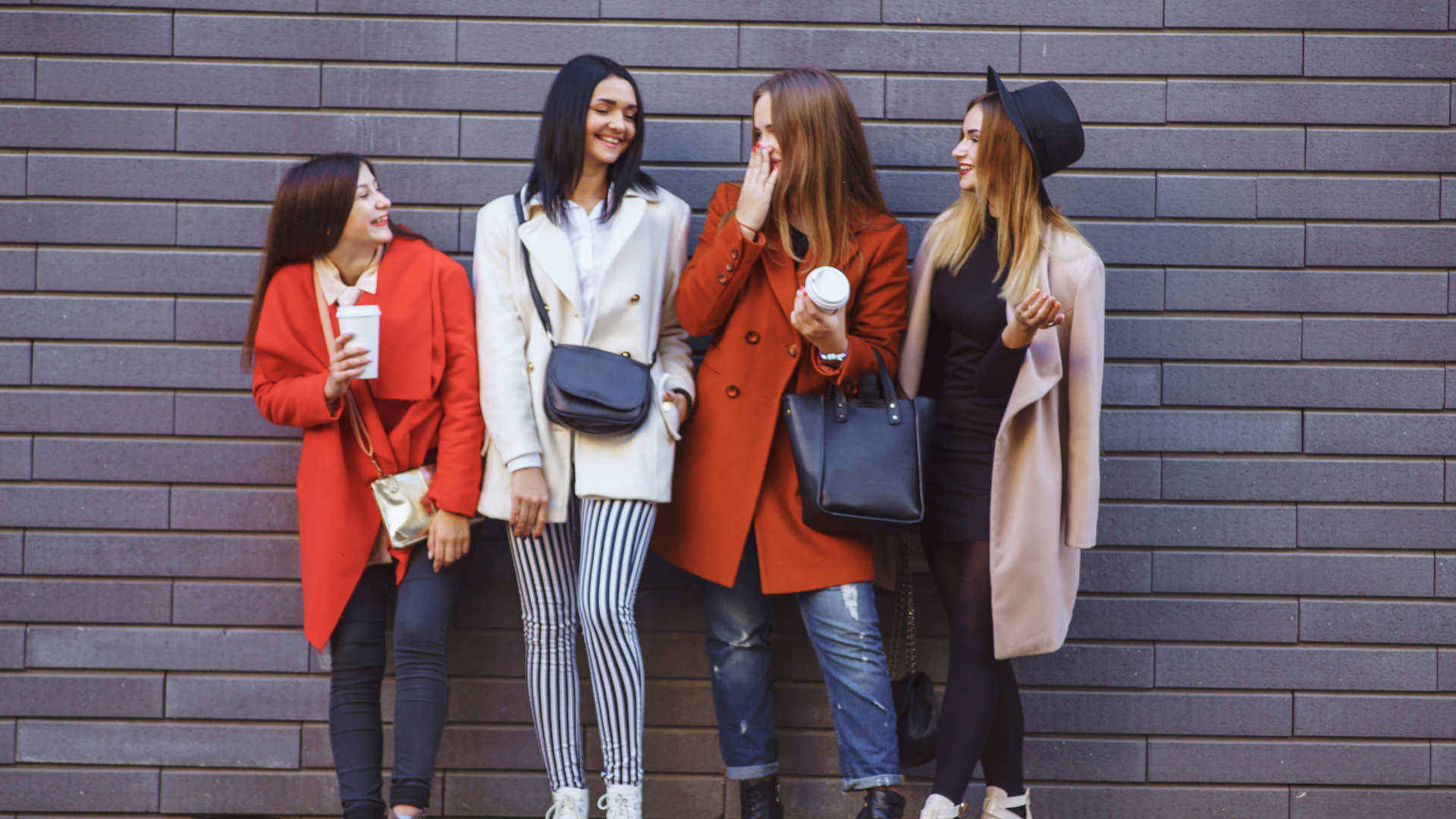
Street style has become a powerful force in shaping mainstream fashion trends, reflecting the individuality and creative spirit of urban environments. This grassroots movement captures the essence of personal expression, where outfits are crafted from unique combinations of vintage pieces, designer items, and casual wear. The influence of street style on mainstream fashion is evident as designers increasingly draw inspiration from the authenticity and innovation found on the streets.
As social media amplifies the visibility of these diverse looks, what’s happening in real-life urban settings quickly translates into runway shows and retail collections. Trends that once started in small communities gain traction globally, allowing a new generation of fashion enthusiasts to communicate their identities through clothing. Retailers now pay close attention to street style, recognizing its role in driving consumer interest and preferences.
The intersection of street style and mainstream fashion represents a dynamic exchange, where the boundaries of traditional fashion are continuously pushed. Fashionistas and everyday citizens alike contribute to this lively dialogue, making street style an essential component of the industry. This ongoing interaction not only democratizes fashion but also helps redefine what is considered stylish in contemporary culture.
Historical Roots of Street Style
Street style has deep historical roots, influenced largely by various cultural movements. Notable factors include hip-hop culture and the rise of skateboarding and sports, which have shaped the aesthetic and values of streetwear.
Hip-Hop Culture and Fashion
Hip-hop emerged in the 1970s and quickly became a major cultural force. Artists like Grandmaster Flash and Run-D.M.C. popularized distinct fashion choices, emphasizing oversized clothing, athletic wear, and bold accessories.
This style often included brands like Adidas and Puma, which became staples in urban neighborhoods. Clothing served as a powerful form of self-expression and identity within the hip-hop community, allowing individuals to showcase creativity, status, and cultural pride.
Today, that same spirit of creativity continues as independent designers and small brands build their own streetwear labels inspired by hip-hop culture. Modern printing methods now make it possible to produce high-quality apparel without the massive budgets once required by major brands. Direct-to-film technology allows detailed, vibrant designs to be applied to the t-shirts and hoodies that remain central to urban fashion. For designers looking to scale production efficiently, suppliers such as dtftransferswholesale.com offer access to professional-grade transfers, helping new creators bring their vision to life while staying true to the culture’s roots of innovation and self-expression.
Skateboarding, Sports, and Streetwear
Skateboarding culture developed in the late 20th century and introduced a casual, rebellious aesthetic. Skateboards and apparel brands such as Vans and Thrasher became synonymous with this lifestyle.
The integration of sportswear into street style also played a pivotal role. Brands like Nike and Champion began catering to a broader audience, merging athletic functionality with fashion.
The blend of skate and sports apparel fostered the growth of streetwear culture. This movement embraced comfort and individuality, appealing to youth seeking to challenge conventional norms in fashion.
Intersection of High Fashion and Streetwear
The merger of high fashion and streetwear has redefined style codes, creating a dynamic landscape for fashion enthusiasts. Luxury brands now integrate urban aesthetics, reflecting cultural movements and consumer demands.
Luxury Brands Embracing Streetwear
Luxury brands like Louis Vuitton and Gucci have adopted streetwear elements to attract younger consumers. Collections featuring graphic tees, hoodies, and joggers showcase a shift towards casual elegance.
Kanye West’s Yeezy line exemplifies this fusion, blending high-quality materials with street-inspired designs. Dapper Dan’s work with Gucci highlights how luxury can leverage street style authenticity to resonate with a broader audience.
Collaborations and Crossovers
Strategic collaborations have become a hallmark of modern fashion. Brands such as Nike and Adidas partner with luxury labels like Off-White to create limited-edition sneakers that marry performance with fashion-forward aesthetics.
Supreme leads with collaborations that draw high fashion into the streetwear realm, partnering with renowned names to fuse distinct styles. This cross-pollination enhances brand visibility and emphasizes cultural relevance, making exclusive pieces highly sought after.
Rise of Sneaker Culture
Sneaker culture is at the forefront of the high fashion and streetwear intersection. Iconic models from Nike and Adidas, especially those tied to fashion designers, have become status symbols.
The collaboration between Yeezy and Adidas sets trends in both sports and luxury markets. Sneakers are no longer just functional items; they symbolize creativity and influence, appealing to diverse consumer bases seeking both comfort and style.
Influence of Street Style on the Fashion Industry
Street style significantly shapes the fashion industry in various ways, prompting responses from fast fashion brands, leveraging the power of influencers and celebrities, and promoting gender-neutral and diverse expressions. These dynamics reflect a shift towards individualism and inclusivity in fashion.
Fast Fashion Response
Fast fashion brands often react swiftly to street style trends. They analyze social media platforms and street images to identify popular looks. This enables them to produce similar styles quickly and affordably, making new trends accessible to a broad audience.
Brands like Zara and H&M have mastered this technique, launching collections that mirror the latest street style. This adaptability allows fast fashion to cater to consumers’ desires for novelty while encouraging a cycle of rapid consumption.
The impact is twofold; while it democratizes access to fashion, it raises concerns about sustainability and ethical practices in the industry.
Role of Influencers and Celebrity Endorsements
Influencers play a pivotal role in translating street style into mainstream fashion. They curate content that showcases their personal style, influencing their followers’ choices. This visibility allows street trends to gain traction, often leading to collaborations between influencers and major brands.
Celebrity endorsements amplify this effect. When a celebrity sports a street-inspired outfit, it can lead to skyrocketing demand for similar clothing. This collaboration of street style and influencer culture establishes new fashion benchmarks, emphasizing individuality and personal expression.
Platforms like Instagram and TikTok are vital in this process, allowing for immediate engagement and trend dissemination.
Gender-Neutral and Diverse Expressions
The rise of street style has prompted a more inclusive approach to fashion. Designers increasingly create gender-neutral clothing, reflecting the fluidity of modern identity. This shift encourages self-expression and individuality, breaking down traditional gender barriers in fashion.
Street style showcases diverse expressions, highlighting various cultures, sizes, and backgrounds. This variety influences mainstream designers to embrace a broader spectrum of aesthetics, moving away from one-size-fits-all styles.
Collections featuring gender-neutral options and diverse models contribute to a more representative fashion industry. This evolution signals a shift toward an inclusive culture celebrating uniqueness and personal representation in fashion.
Current and Future Trends
Street style is significantly influencing current fashion trends, particularly in sustainability and technology. Brands are adapting to consumer demands for ethical practices and innovative designs, marking a shift in the industry.
Sustainability in Streetwear
Sustainability has emerged as a crucial focus for streetwear brands. Companies like Puma and Balenciaga are leading initiatives to create environmentally friendly clothing.
Sustainable materials such as organic cotton, recycled polyester, and innovative fabric blends are now common. These materials reduce waste and lessen environmental impact.
Consumers prioritize brands that promote transparency and ethical labor practices. Collaborations between streetwear brands and sustainability advocates further amplify this trend.
Limited-edition sustainable collections are gaining popularity, appealing to consumers who value exclusivity. This approach aligns sustainability with streetwear’s ethos, making eco-friendly apparel desirable.
Technological Innovations
Technological advancements are reshaping the streetwear landscape. Innovative designs are being driven by 3D printing, smart textiles, and augmented reality.
3D printing allows for customization, enabling consumers to personalize their clothing. Brands can quickly produce unique items that cater to individual tastes.
Smart textiles are integrated with technology, offering features such as temperature regulation or moisture-wicking properties. This fusion of fashion and technology meets functional needs while maintaining style.
Augmented reality is transforming the shopping experience. Virtual try-ons and immersive brand experiences enhance customer engagement, aligning with the streetwear culture’s tech-savvy demographic.
These innovations not only impact designs but also change how consumers interact with fashion, paving the way for future developments in the industry.




Leave feedback about this