


Casual outfits don’t have to mean sacrificing style or comfort. The key to nailing casual fashion is balancing simplicity with thoughtful details that enhance your overall look.
Choosing versatile pieces like well-fitted jeans, classic tees, and layering options can transform everyday wear into something polished without trying too hard. Accessories and proper footwear play a vital role in completing your outfit effortlessly.
Understanding your personal style and body shape helps in selecting items that fit well and feel natural. This approach ensures casual outfits are both practical and flattering for any occasion.
Understanding Casual Style
Casual style centers on comfort, simplicity, and practicality without sacrificing personal expression. It balances relaxed pieces with thoughtful coordination to create outfits suitable for everyday wear.
Defining Casual Outfits
Casual outfits usually include clothing designed for comfort and ease of movement, such as jeans, t-shirts, and sneakers. They avoid formal fabrics and intricate designs, favoring natural materials like cotton and denim. The goal is versatility—pieces that transition well from errands to social settings.
Casual also embraces minimal accessories and straightforward cuts. It prioritizes function and a clean look over extravagance, often incorporating layers to adjust to different environments or weather.
Key Elements of Casual Fashion
Key elements include fit, fabric, and color coordination. Fit must be comfortable but not sloppy; tailored jeans or relaxed chinos work well. Breathable fabrics like jersey or linen prevent overheating.
Colors tend toward neutrals—navy, gray, white—with occasional pops like olive or burgundy. Footwear like loafers or clean sneakers completes the look, while minimalistic accessories such as watches or caps refine the outfit.
Benefits of Dressing Casually
Dressing casually saves time and effort in outfit selection while supporting comfort throughout the day. It reduces stress over formal dress codes and allows for more freedom in movement.
This style fosters confidence because wearers feel relaxed and authentic. It is suitable for many environments, from workplaces with informal dress codes to social outings, providing a practical approach to everyday fashion.
Building a Versatile Casual Wardrobe
Creating a reliable casual wardrobe means focusing on key clothing items, selecting comfortable and durable fabrics, and choosing colors that work well together. Thoughtful choices in these areas make everyday dressing simpler and more adaptable.
Essential Clothing Pieces
Start with classic staples: a well-fitting pair of jeans, plain t-shirts, button-up shirts, and a casual jacket or blazer. These items can be mixed and matched easily for different casual occasions.
Include versatile footwear such as white sneakers and loafers, which complement most outfits. Avoid overly trendy pieces that limit flexibility. Instead, invest in neutral styles that work year-round.
Layering pieces like cardigans or lightweight sweaters extends options through seasons. Prioritize quality basics that fit well and feel comfortable for daily wear.
Picking the Right Fabrics
Focus on fabrics that balance comfort, breathability, and durability. Cotton is ideal for t-shirts and casual shirts because it is soft and allows the skin to breathe. Denim works well for jeans and jackets due to its sturdiness.
In cooler weather, blends like wool mixed with synthetic fibers provide warmth without bulk or discomfort. Linen is excellent for warm climates thanks to its lightweight, moisture-wicking properties.
Avoid fabrics that wrinkle easily or require frequent dry cleaning. Choosing machine-washable materials helps maintain a low-maintenance wardrobe.
Color Palettes for Everyday Wear
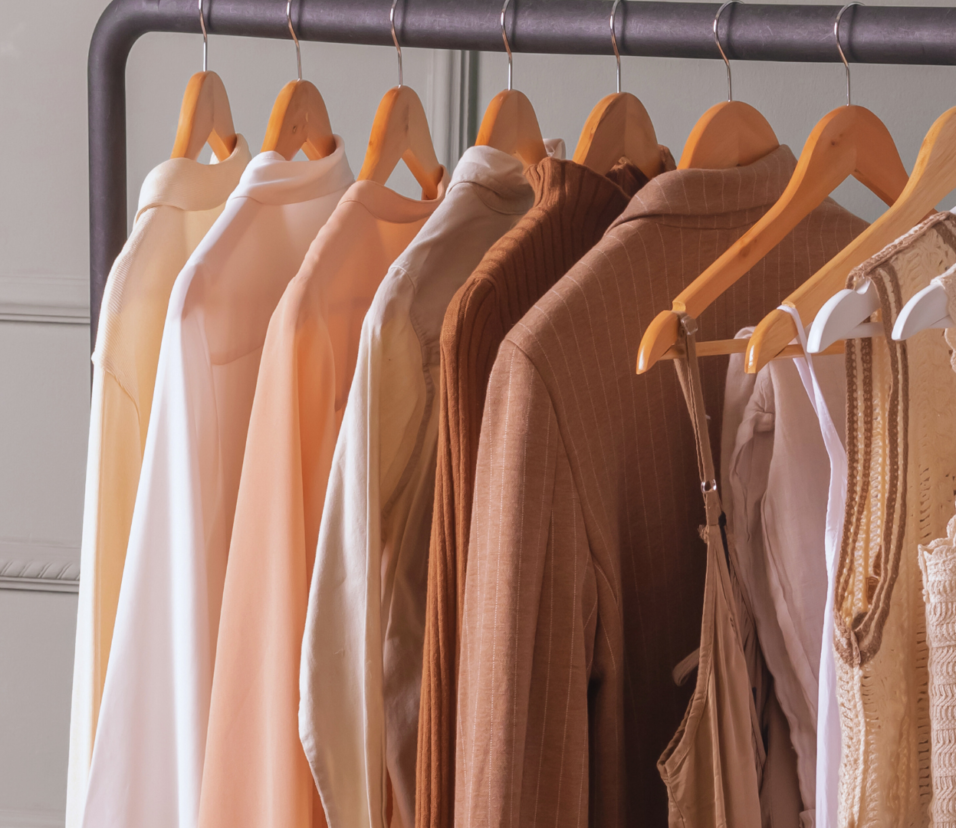
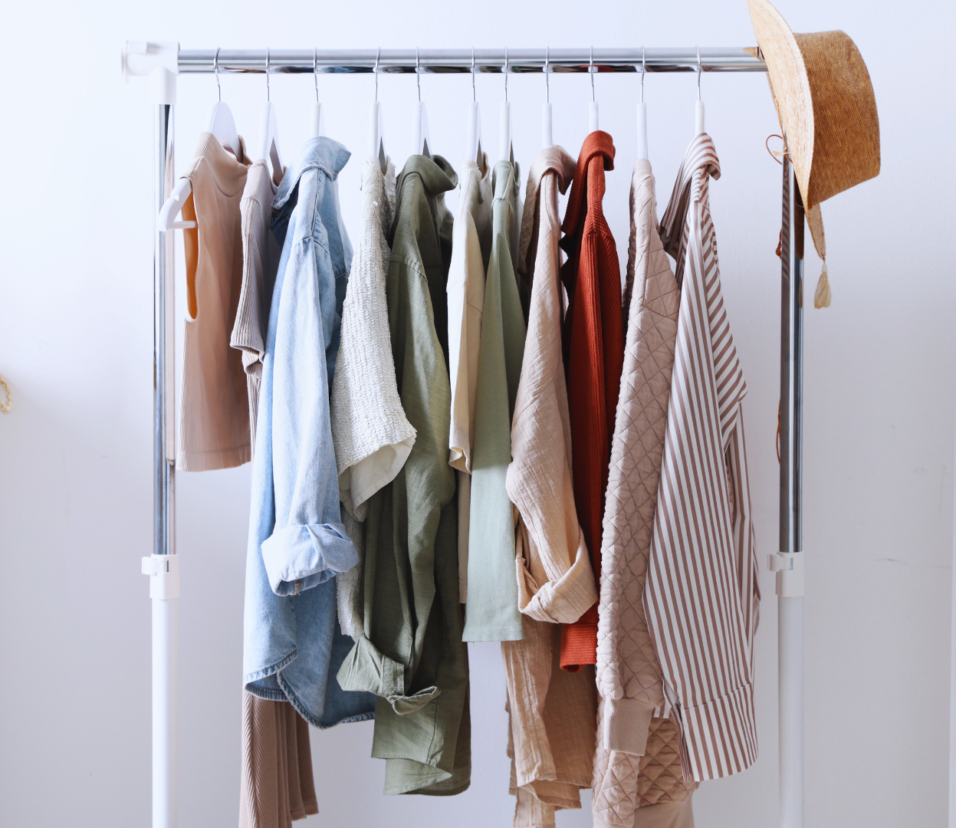
Neutral colors form the foundation of a versatile casual wardrobe. Shades like navy, gray, white, black, and beige coordinate well with most pieces and create a polished look.
Add a few accent colors such as olive green, burgundy, or muted blues to introduce variety. These tones complement neutrals without clashing.
Use a simple table to guide selections:
| Neutral Colors | Accent Colors |
| Navy | Olive Green |
| Gray | Burgundy |
| White | Muted Blue |
| Black | Mustard Yellow (optional) |
| Beige |
Sticking to a refined palette ensures all items can be combined effortlessly.
Outfit Coordination Fundamentals
Creating a casual outfit that looks intentional requires attention to how pieces work together. Focus on color, texture, and fit to make sure your outfit feels cohesive and comfortable.
Mixing and Matching Basics
Start with a neutral base like black, white, or beige to ground your outfit. Introduce one or two accent colors to keep the look interesting without overwhelming it. For example, pair navy jeans with a white tee and a burgundy jacket.
Patterns can be mixed, but keep patterns different in scale. Large checks with small stripes work better than two bold patterns of the same size.
Balance solid colors with prints to avoid visual clutter. Fabrics should also complement each other, such as pairing denim with cotton or linen for a casual vibe.
Layering Techniques
Layering allows versatility and adds depth to casual outfits. Begin with lightweight pieces, like a basic tee or tank top, then add layers with button-down shirts, cardigans, or jackets.
Pay attention to lengths. A longer outer layer over a shorter inner piece provides a structured look. Textures in layers should contrast, such as a soft flannel under a leather jacket.
Keep layers loose enough to move comfortably but fitted enough to avoid bulk. Accessories like scarves or hats can serve as functional layers too, enhancing style without compromising comfort.
Balancing Comfort and Style
Choose fabrics like cotton, jersey, or linen to ensure breathability and ease of movement. Fit matters; avoid overly tight or baggy clothes for a polished casual look.
Footwear should support your lifestyle—clean sneakers or loafers work well without sacrificing comfort.
Finally, prioritize details like minimal jewelry, a quality watch, or a structured bag to elevate an otherwise simple outfit without losing practicality.
Accessorizing Casual Looks
Effective casual accessorizing enhances comfort and style without looking overdone. Choosing the right footwear, bags, and jewelry can elevate a simple outfit and provide practical benefits.
Choosing Footwear
Footwear for casual looks should balance comfort and style. Sneakers remain a versatile option, suitable for jeans, shorts, or casual dresses. Opt for minimal designs in neutral colors like white, black, or gray to increase outfit compatibility.
Slip-on loafers and ballet flats offer a slightly polished touch while maintaining ease. Avoid heavy or overly formal shoes, as they can clash with casual attire.
Consider the weather and activity when selecting shoes. Breathable materials like canvas or mesh enhance comfort during warmer months. For colder seasons, ankle boots with low heels provide warmth and support without sacrificing casual appeal.
Bag and Purse Options
In casual settings, practicality is key for bag choices. Crossbody bags deliver hands-free convenience and are ideal for daily errands or casual outings. Look for medium-sized options that hold essentials such as a wallet, phone, and keys.
Backpacks designed with sleek, minimalist lines can also complement casual wear while offering space for extra items. Leather or faux leather bags add a touch of refinement without appearing too formal.
Avoid oversized or bulky bags that disrupt proportions or complicate mobility. Smaller purses can work for brief outings, but ensure they are large enough to carry necessities comfortably.
Jewelry and Watches
Jewelry in casual outfits should be subtle and purposeful. Simple stud earrings, thin chain necklaces, and delicate bracelets often suffice to add personality without overwhelming the look.
Watches combine style with function. Choose classic designs with leather or silicone straps for durability and versatility. Metal bands work well for minimalistic or sporty style,s but avoid overly flashy pieces.
Mixing metals sparingly, such as pairing a silver necklace with gold studs, can add visual interest without clashing. Prioritize pieces that reflect personal style yet remain practical for daily use.
Seasonal Tips for Casual Outfits
Choosing the right fabrics and layering pieces is essential for comfort and style throughout the year. Adjusting your outfit to suit the temperature, humidity, and daylight changes enhances both practicality and appearance.
Summer Casual Fashion
Lightweight, breathable fabrics like linen and cotton are key in summer. Prioritize loose fits that allow airflow and moisture-wicking properties to stay cool.
Colors such as white, pastels, and neutrals reflect heat and keep the look fresh. Sleeveless tops, shorts, and sandals work well for relaxed days.
Accessories like wide-brim hats and UV-protection sunglasses offer both style and sun safety. Avoid heavy or dark clothing, which absorbs heat and causes discomfort.
Fall Layering Strategies
Fall requires versatile layering to adapt to fluctuating temperatures. Start with a fitted base layer like a long-sleeve tee, topped with a lightweight sweater or cardigan.
Add an outer layer such as a denim jacket, bomber, or lightweight trench for warmth and protection against wind. Earth tones like rust, olive, and mustard complement the season.
Scarves and ankle boots are practical and fashionable finishing touches. Layering also gives flexibility for moving between indoors and outdoors comfortably.
Winter Casual Essentials
Insulation and wind resistance become priorities in winter outfits. Invest in quality knit sweaters, thermal tops, and lined outerwear like puffer jackets or wool coats.
Dark colors and deep tones are common, but layering with a pop of color can add interest. Opt for insulated boots and thick socks for foot warmth.
Accessories like beanies, gloves, and scarves are necessary to protect exposed skin. Choose pieces that combine functionality with casual style to stay warm without looking bulky.
Spring Style Ideas
Spring calls for transitional pieces that balance warmth and lightness. Floral prints, soft pastels, and lighter denim fit well with the season’s mood.
Trench coats, light sweaters, and breathable button-ups are ideal layers. Shoes can range from loafers to low-profile sneakers, avoiding heavy winter boots.
Umbrellas and water-resistant outerwear are prepared for rain. Mix textures like cotton and silk blends to add depth without overheating.
Incorporating Trends in Casual Fashion
Casual fashion evolves steadily, with shifts in fabrics, cuts, and patterns that create fresh looks. Paying attention to specific prints, denim fits, and sustainable options can elevate everyday outfits without sacrificing comfort.
Modern Patterns and Prints
In casual wear, patterns like geometric shapes, abstract designs, and subtle animal prints have gained popularity. These prints add visual interest without overwhelming the outfit, making them ideal for tops and lightweight jackets.
Stripes and plaids continue to be wardrobe staples, but see updates in scale and color contrast. For example, thinner stripes in muted tones or oversized plaid with softer hues are trending choices. Mixing patterns carefully can also enhance casual look versatility.
When choosing prints, balance is key. Pair a bold patterned shirt with neutral bottoms or vice versa to avoid clashing. Materials like cotton blends or linen maintain breathability while showcasing print clarity.
Current Denim Styles
Denim remains foundational in casual outfits, but the styles have diversified. Relaxed fits, such as straight-leg and wide-leg jeans, are preferred over skinny cuts for comfort and a modern silhouette.
High-waisted denim continues to dominate, offering flattering proportions and added versatility for tucking in tops. Distressed detailing like subtle rips or faded washes inject character without appearing overly worn.
Colored denim, especially pastel shades and off-whites, provides alternatives for those wanting casual but less routine looks. Cropped lengths or raw hems contribute to a laid-back but intentional style.
Investing in quality denim with a slight stretch improves wearability for all-day comfort in casual settings.
Sustainable and Ethical Choices
Choosing sustainable fabrics like organic cotton, recycled polyester, and Tencel is becoming integral to casual fashion. These materials reduce environmental impact and often provide better breathability and softness.
Brands focusing on ethical production, including fair labor practices and transparent sourcing, are more accessible now. Supporting these labels means contributing to responsible fashion without compromising style.
Reusing and upcycling garments also align with sustainable principles. Incorporating vintage pieces or repurposing worn items extends garment life and adds unique, casual outfit elements.
Adopting slower fashion habits by buying fewer, better-quality items supports both sustainability and long-term wardrobe value.
Common Mistakes to Avoid in Casual Dressing
Casual dressing requires balance and attention to detail. Small errors can make an outfit look careless rather than stylish. Focus on how accessories complement the look, how clothes fit, and the impact of your footwear.
Over-accessorizing
Adding too many accessories can clutter a simple, casual look. Choose one or two statement pieces instead of layering multiple items. For example, pairing a watch with a single bracelet works better than stacking several on the same arm.
Keep accessories coordinated with the outfit’s color scheme and avoid mixing too many metals or styles. Overdoing necklaces, rings, or hats can distract from the outfit itself. The goal is to enhance, not overwhelm.
Ignoring Fit and Proportion
Poor fit is one of the most common mistakes in casual wear. Clothes that are too tight or too loose distort your silhouette. Ensure that tops fit well on the shoulders and waist, and pants sit comfortably without bunching or sagging.
Consider body proportions carefully. For example, pairing oversized tops with fitted bottoms maintains balance, while loose fits on both can appear sloppy. Tailoring casual clothes when possible improves overall appearance significantly.
Neglecting Footwear Selection
Footwear often defines the tone of a casual outfit. Choosing shoes that don’t match the style or occasion undermines the look. Clean sneakers or loafers typically work best with casual outfits, while formal shoes create awkward contrast.
Match shoe colors with your outfit’s palette for a polished feel. Also, comfort is key—ill-fitting shoes affect posture and confidence. Avoid worn-out sneakers or flashy shoes that draw unnecessary attention.
Adapting Casual Outfits for Different Occasions
Choosing the right casual outfit depends largely on the context. Simple adjustments in footwear, accessories, and layering can transform a look to fit practical needs and social expectations. Here’s how to align casual wear to common everyday scenarios.
Weekend Errands
For weekend errands, comfort and practicality are paramount. Opt for breathable fabrics like cotton or linen that allow ease of movement. Sneakers or slip-on shoes provide support for walking and quick stops.
Keep the color palette neutral or muted to avoid frequent washing. A basic tee paired with jeans or joggers works well. Adding a lightweight jacket or hoodie offers adaptability to changing weather. Minimal accessories, such as a watch or sunglasses, keep the look functional without feeling overdone.
Casual Office Environments
Casual office settings require a balance between comfort and professionalism. Choose well-fitted chinos or dark denim paired with polo shirts or button-down shirts. Layering a blazer or cardigan instantly elevates the outfit’s formality.
Footwear should be clean and polished, preferably loafers or derby shoes instead of sneakers. Use belts and subtle accessories like a leather strap watch to add polish. Avoid overly casual items like graphic tees or distressed jeans to maintain workplace appropriateness.
Social Gatherings
Social gatherings allow for a bit more style and personal flair while staying casual. Incorporate statement pieces such as patterned shirts or bold-colored sweaters. Layer with a bomber jacket or stylish coat if the weather demands.
Footwear can be more expressive—Chelsea boots or crisp sneakers fit well. Accessories like bracelets or a fashionable hat can personalize the look without overwhelming it. Aim for a neat appearance with well-maintained clothing and coordinated colors for an approachable yet intentional outfit.
Personalizing Your Casual Style
Casual outfits gain depth when tailored to your preferences and comfort. Adding unique touches helps your look feel authentic and enhances day-to-day wearability.
Expressing Individuality
Choose signature pieces that reflect your personality. This could be a patterned scarf, a vintage watch, or sneakers with a bold color. Unique accessories draw attention without overcomplicating the outfit.
Mix fabrics and textures to create interest. Pairing denim with soft knits or leather accents adds layers without feeling flashy. Avoid mimicking styles exactly; instead, reinterpret trends to suit your taste.
Keep a palette that resonates with you. Whether it’s earth tones or vibrant hues, consistent color choices highlight your style without sacrificing cohesion. This approach creates a recognizable look rooted in personal preference.
Confidence in Casual Clothing
Fit is paramount. Clothes should complement your body shape, not hide it. Even simple items like t-shirts and jeans look striking when tailored properly.
Wear pieces that feel comfortable to avoid self-consciousness. If you feel awkward, it will show. Soft cotton or stretch fabrics are practical choices for ease and confidence.
Posture and attitude elevate any casual look. Holding your head high and moving with purpose reinforces the impression of a well-crafted outfit. Confidence becomes part of the style itself.


Leave feedback about this