


Fashion Essentials for Small Closets: Maximizing Style and Space Efficiently
Living with a small closet doesn’t mean sacrificing style or variety. The key to maximizing a limited space is choosing versatile, quality pieces that can be mixed and matched effortlessly. Focusing on essentials that suit your lifestyle and personal taste streamlines your wardrobe.
Smart organization and strategic shopping help you avoid clutter and keep your closet functional. Selecting items that serve multiple purposes can reduce the need for excess clothing without limiting your outfit options. This approach ensures you get the most value out of every piece.
Curating Your Small Closet Wardrobe
Efficient small closet wardrobes focus on carefully chosen items that maximize outfit combinations and serve multiple purposes. The goal is to have fewer pieces that work well together rather than many isolated items.
Defining Essential Pieces for Limited Space
Start by identifying wardrobe staples like a well-fitted blazer, neutral tops, and versatile trousers. These items form a foundation because they can be dressed up or down.
Include basics such as white tees, black pants, and denim jeans. For footwear, limit options to essentials like sneakers, loafers, and one pair of boots. Each item should fit well and reflect your daily lifestyle needs.
Accessories like scarves or belts can add variety without taking up much space. Avoid trend-only items that quickly go out of style and become clutter.
Building a Versatile Capsule Collection
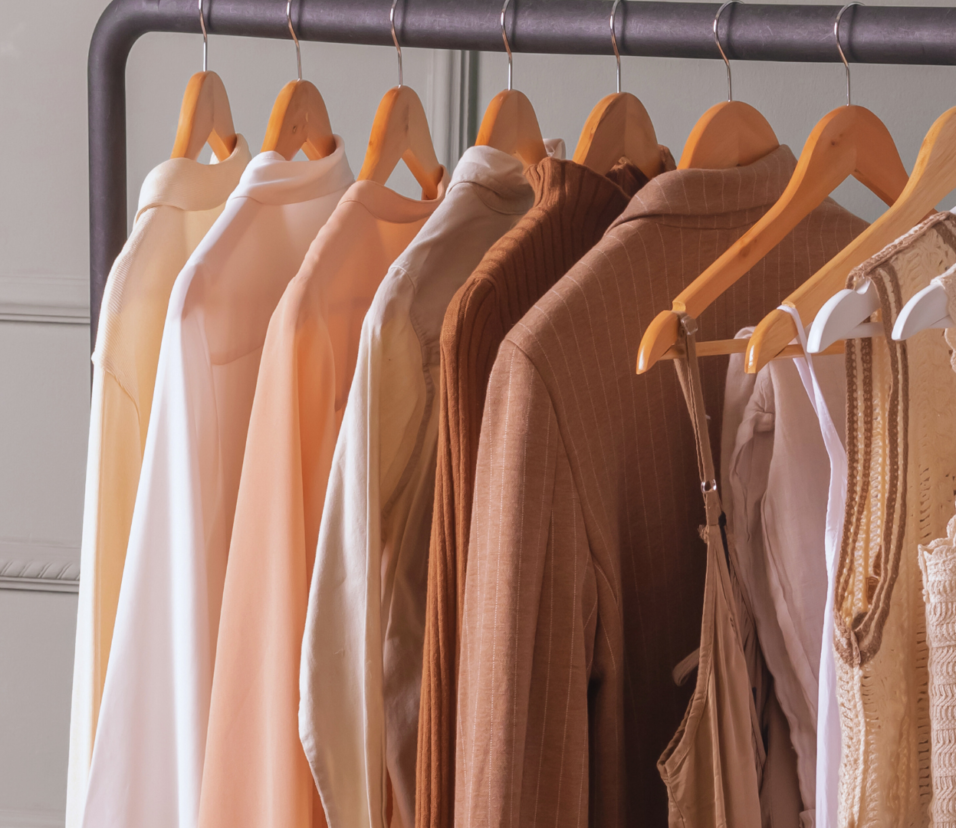
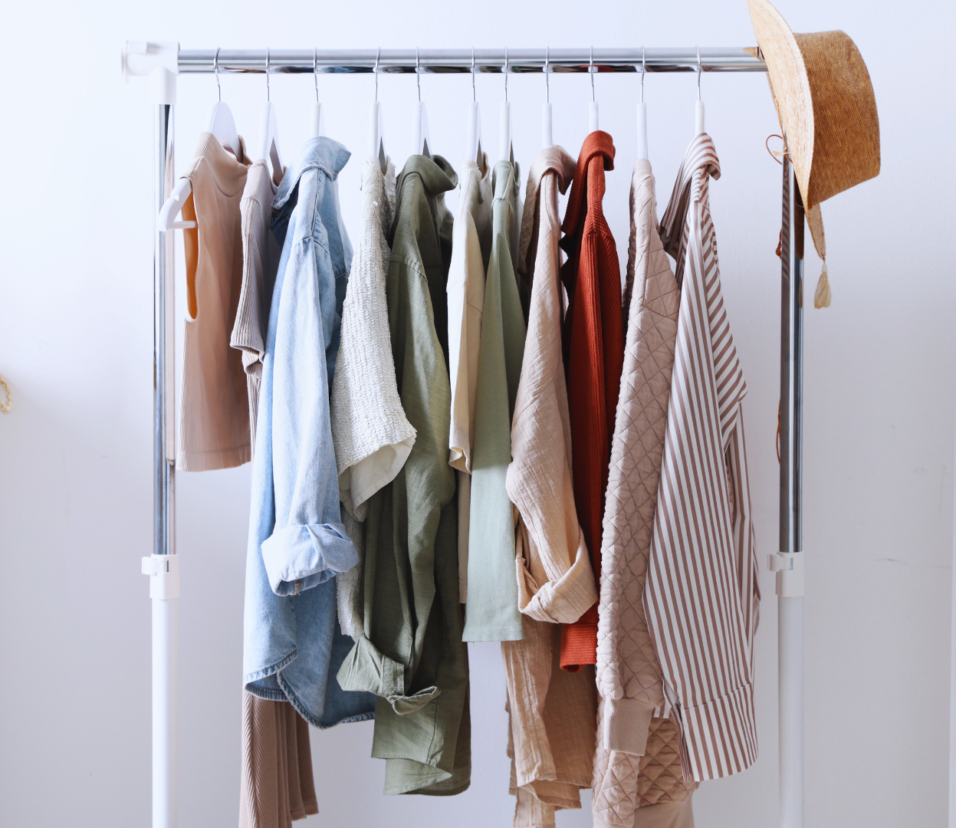
Capsule collections emphasize mix-and-matchability. Choose a color palette of 3-4 complementary tones. This makes pairing easier and reduces decision fatigue.
Include 8-12 pieces such as sweaters, skirts, and shirts that layer well. Think of the collection as a puzzle where pieces fit together to create multiple outfits.
Add pieces suitable for different occasions—casual, work, and outings. The key is to balance function with style, ensuring all items get regular use.
Prioritizing Quality Over Quantity
Invest in durable garments made from quality fabrics such as cotton, wool, or linen. High-quality clothes maintain their shape and look better over time, reducing replacement frequency.
Choose pieces with solid construction, paying attention to seams and stitching. This prevents early wear and tear, especially in often-used essentials.
Limiting volume allows a bigger budget per item. This approach ensures each piece is worth the investment and supports a tidy, manageable closet.
Space-Saving Closet Organization Ideas
Maximizing closet space requires smart use of storage tools, efficient arrangement of items, and choosing versatile clothing that reduces bulk. These approaches help create order and free up valuable space without sacrificing functionality.
Efficient Storage Solutions
Use uniform slim hangers to save space and keep clothes aligned. Consider velvet or wooden options for durability and grip. Incorporate clear plastic bins or labeled fabric boxes to store seasonal or infrequently worn items at the closet’s bottom or top shelves.
Drawer dividers help organize small accessories like scarves, belts, and jewelry, preventing clutter. Hanging organizers with multiple compartments can hold shoes or folded items, optimizing narrow vertical sections.
Implement pull-out racks for pants or ties to avoid piling. These solutions adapt to varied closet sizes and make items more accessible.
Maximizing Vertical Space
Install an additional rod below the main hanging bar to double space for shorter clothes, such as shirts and skirts. This quickly increases storage without major renovations.
Use tall shelving units or adjustable shelves to stack folded sweaters or handbags vertically. Hooks on the inside of closet doors can hold bags, hats, or necklaces without wasting floor or shelf space.
Consider tension rods or narrow hanging shelves for scarves or ties. These vertical options broaden storage without encroaching on floor area, making use of every inch of height.
Using Multi-Functional Clothing
Choose pieces that can be dressed up or down, allowing fewer items to serve multiple purposes. For example, a neutral blazer works for work or casual occasions.
Select garments with reversible designs or adjustable features like removable layers for variable weather. These reduce the need to store many separate items.
Prioritize wrinkle-resistant and easy-care fabrics. Multi-functional clothing reduces bulk and simplifies organizing efforts, essential for small closets.
Smart Shopping Strategies for Small Closets
Maximizing limited space means selecting clothing that offers flexibility and longevity. Prioritize items that can mix and match easily while maintaining a consistent style.
Choosing Timeless Styles
Focus on classic cuts and silhouettes that don’t go out of fashion quickly. Pieces like tailored blazers, straight-leg trousers, and simple sheath dresses provide versatility across occasions.
Avoid overly trendy items that may feel outdated after one season. Instead, invest in quality fabrics and fits that flatter your body and work in multiple settings.
Prioritize multifunctional garments. For example, a white button-down can be paired with both jeans and skirts, increasing wear options without clutter.
Opting for Neutral Tones
Select a base palette of neutrals such as black, white, gray, navy, and beige. These colors pair easily and create a cohesive wardrobe.
Neutral tones enable layering and accessorizing without clashing. They also help you build a capsule wardrobe that looks pulled together.
Accent your wardrobe with a few muted colors or patterns, but keep most pieces understated to maximize outfit combinations.
Seasonal Wardrobe Rotation
Store off-season clothes elsewhere to free prime closet space. Use vacuum bags or labeled bins for efficient storage.
Rotate garments based on weather and frequency of use. Keep only current-season items accessible to reduce visual clutter.
Plan purchases so they complement the existing wardrobe and replace worn items, maintaining a lean, functional collection year-round.
Mix and Match Outfit Inspiration
Maximizing outfit options from a small closet requires strategic choices. Using layering and versatile pieces lets you create distinct looks without needing excessive items.
Layering for Versatility
Layering is crucial for transforming basic garments. Start with simple tops like fitted tees or turtlenecks as a base. Add cardigans, blazers, or lightweight jackets to change the look instantly.
Different textures and lengths improve outfit variety. For example, pair a cropped jacket with a longer shirt underneath to add dimension. Scarves and belts also enhance layering without bulk.
Choose neutral or complementary colors for easy mixing. This approach allows multiple combinations from a handful of layers, saving space while diversifying daily wear.
Creating Multiple Looks with Fewer Pieces
Focus on selecting staple pieces that work across various occasions. Items like a classic white button-down or tailored black pants serve as foundations for many outfits.
Change accessories and footwear to shift the outfit’s mood. Sneakers make a look casual; heels or loafers elevate it for work or events.
Keep versatile bottoms such as jeans, skirts, or trousers that complement several tops. Investing in items with flexible styling helps build a compact, effective wardrobe.
| Key Pieces | Styling Tips |
| Neutral tops | Layer under sweaters/blazers |
| Versatile bottoms | Pair with multiple shoes |
| Lightweight jackets | Use for quick outfit changes |
Maintaining a Functional Small Closet
Keeping a small closet functional requires regular assessment of what you own and smart care strategies. Prioritizing just the items you wear and maintaining them well extends the life of your wardrobe and maximizes your space.
Editing and Updating Your Wardrobe
Regularly review your clothing to remove items that no longer fit, are damaged, or go unworn. A good rule is to ask if you have worn the piece in the last six months. If not, consider donating, selling, or storing it elsewhere.
Limit new purchases to versatile pieces that coordinate with multiple outfits. Focus on quality over quantity to reduce clutter and keep your closet manageable. Seasonal rotations can help by storing off-season clothes outside the closet, freeing up space for current items.
Proper Clothing Care and Storage
Use slim, non-slip hangers to save space and keep garments in shape. Hang delicate items like blouses and dresses, and fold heavier sweaters to avoid stretching.
Store smaller items in labeled bins or drawer organizers to keep everything visible. Protect clothes from dust and damage by using breathable garment bags, especially for rarely worn pieces. Regularly refold and rearrange items to prevent wrinkles and maintain order.
Sustainable Fashion Choices for Limited Space
Choosing clothing with purpose helps conserve space and resources. Opting for quality over quantity and reusing garments can keep your small closet functional and eco-friendly.
Mindful Purchasing Habits
Focus on buying versatile pieces that work across multiple outfits. Prioritize items made from durable, natural fabrics such as organic cotton or linen, which last longer and reduce waste.
Limit impulse buys by sticking to a predetermined wardrobe list. Consider whether each new item fits your existing style and space constraints before purchasing.
Avoid fast fashion brands known for poor quality and short wear cycles. Instead, invest in timeless, well-made essentials that won’t crowd your closet quickly.
Incorporating Secondhand Finds
Thrift stores and online resale platforms offer a wide range of unique, quality garments at lower environmental costs. These pieces often come at a lower price and can add character without expanding the closet volume unnecessarily.
Check for condition and fit carefully. Prioritize items that can be integrated with your current wardrobe to maximize usage.
Upcycling or tailoring secondhand clothes extends their lifespan and makes them more tailored to your needs, further conserving space and reducing waste.


Leave feedback about this