

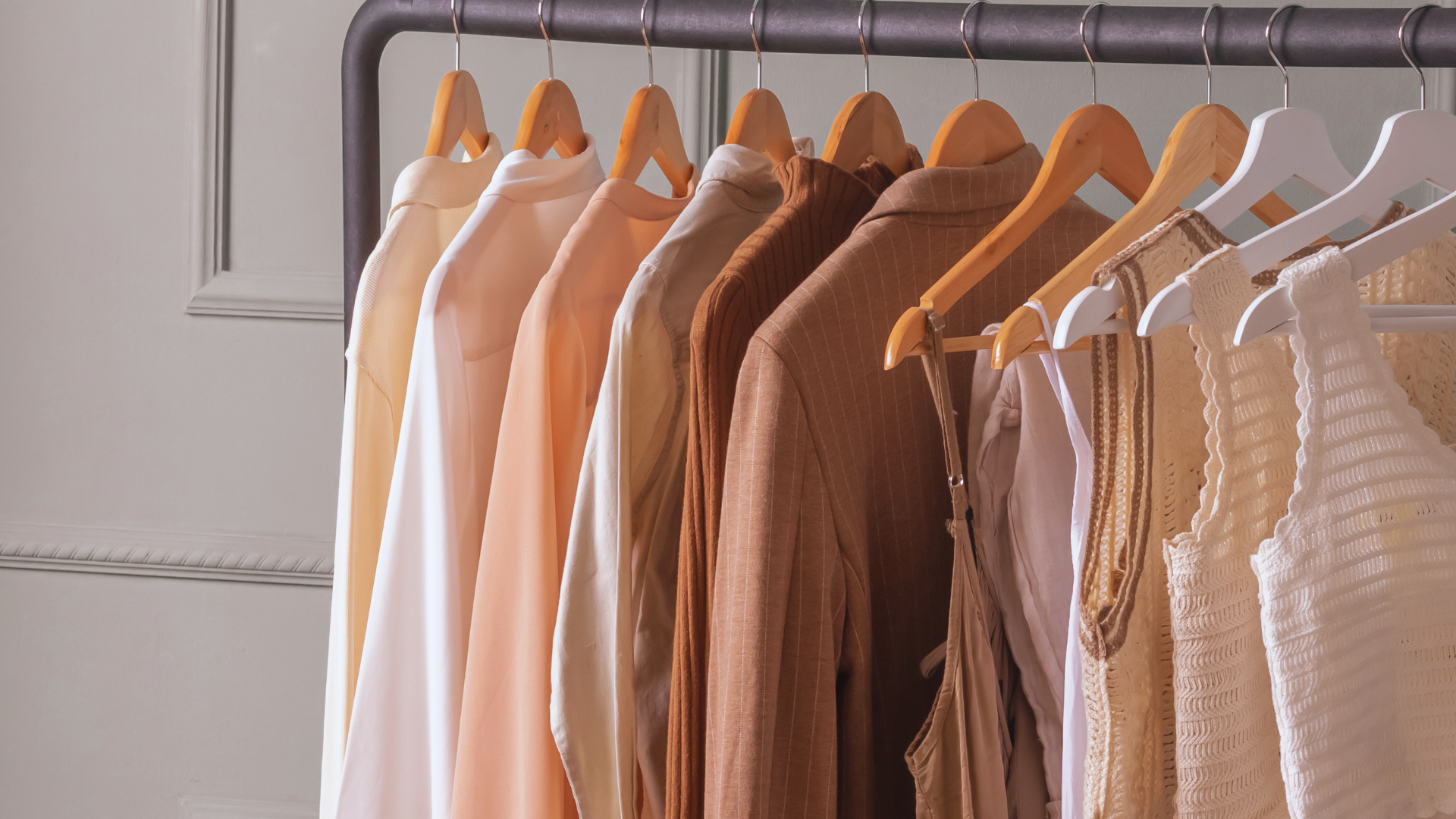
How to Build a Timeless Wardrobe for Lasting Style and Functionality
Building a timeless wardrobe means focusing on quality, fit, and versatility rather than trends. The key is to invest in classic pieces that can be mixed and matched to create various looks over time.
Choosing neutral colors and simple designs ensures your clothes remain relevant through seasons and fashion changes. Prioritizing fabrics that last and tailoring for a perfect fit helps maintain a polished appearance without constant replacement.
Understanding your lifestyle and personal style is essential to making smart wardrobe decisions. This approach not only saves money but also reduces clutter and decision fatigue when getting dressed.
Understanding the Timeless Wardrobe Concept
A timeless wardrobe focuses on quality, versatility, and durability. It prioritizes pieces that maintain style and function beyond fleeting trends. Knowing what defines timelessness helps create an efficient, lasting collection.
Defining Timeless Style
Timeless style means clothing that transcends trends and remains appropriate across seasons and years. It favors classic cuts, neutral colors, and simple patterns.
Key characteristics include:
- Clean lines without excessive embellishments
- Neutral tones like black, white, navy, beige
- Fabrics such as wool, cotton, and leather that age well
The goal is to build a collection where each piece complements many others and suits various occasions. Timeless style avoids name-brand logos or trendy details that quickly date an outfit.
Benefits of a Timeless Wardrobe
A timeless wardrobe reduces the need for frequent shopping and minimizes decision fatigue. Fewer, better clothes mean less clutter and easier outfit planning.
Benefits include:
- Cost savings over time due to less frequent replacement
- Consistent, polished appearance with fewer mismatched items
- Lower environmental impact by minimizing fast fashion consumption
This approach supports thoughtful investing in pieces that work well together, streamlining daily dressing without sacrificing style or comfort.
Key Principles of Longevity
Durability and adaptability form the foundation of longevity. Focus on these principles:
- Choose high-quality materials resistant to wear and tear
- Opt for multipurpose items that suit casual and formal settings
- Prioritize fit and comfort for regular use
Maintenance matters: proper care extends garment life. Repairs, gentle washing, and mindful storage preserve your collection. These principles ensure your wardrobe remains reliable and stylish for years.
Foundation Pieces for a Timeless Wardrobe
Building a lasting wardrobe starts with selecting pieces that offer versatility, quality, and classic style. Key items should be functional for multiple occasions while retaining a clean, polished look.
Essential Tops and Shirts
Invest in neutral-colored button-down shirts made of cotton or linen for breathability and durability. White and light blue are staple colors that pair easily with many outfits.
Crew neck and V-neck t-shirts in solid colors such as black, white, and gray serve as layering essentials. They work well alone or under blazers or sweaters.
Blouses with minimal detailing, like subtle collars or modest sleeve lengths, maintain a refined look. Avoid overly trendy cuts and patterns to ensure longevity in style.
Classic Bottoms
Well-fitted trousers in navy, black, or beige offer a solid foundation. Look for mid-rise cuts with straight or slightly tapered legs for a flattering and timeless silhouette.
Jeans should be dark-washed with minimal distressing. A slim or straight leg cut is more versatile than skinny or baggy styles for enduring wear.
For skirts, pencil or A-line styles in neutral shades work well. Pairing these with tailored tops provides a polished appearance suitable for various settings.
Staple Outerwear
A trench coat in beige or camel is a versatile layering piece that works across seasons. Its water-resistant fabric and classic design make it practical and stylish.
A well-cut blazer in black or navy is essential for tailoring any look. Choose structured shoulders and a fitted waist to maintain a sharp silhouette.
Leather or wool jackets in neutral tones add variety while retaining timeless appeal. Avoid overly embellished or trendy designs to preserve longevity.
Iconic Dresses and Suits
The little black dress (LBD) remains an indispensable wardrobe item. Select one with a modest neckline and knee-length hem for maximum versatility.
Classic suits in navy, black, or gray function well for professional and formal occasions. Opt for single-breasted jackets and straight-leg trousers or skirt suits.
Fabric choice matters; wool blends with a bit of stretch offer comfort and durability. Keep embellishments minimal to extend wearability across seasons and trends.
Selecting Quality Fabrics and Materials
Choosing the right fabric is crucial to creating a durable and stylish wardrobe. Understanding fiber types, fabric strength, and proper care can extend the life of garments and maintain their appearance.
Natural vs Synthetic Fibers
Natural fibers, such as cotton, wool, silk, and linen, come from plants or animals. They tend to be breathable, comfortable, and environmentally friendly. Wool offers insulation and durability, while cotton is versatile and soft but may wrinkle easily.
Synthetic fibers include polyester, nylon, and acrylic. These are typically more resistant to wrinkles, shrinking, and stretching. They dry quickly and often cost less, but may trap heat and are less biodegradable.
Blended fabrics combine both types to balance comfort and durability. When selecting, consider the occasion, climate, and how each fiber behaves over time.
Evaluating Fabric Durability
Fabric durability depends on fiber strength, weave type, and fabric weight. Tightly woven fabrics like twill or canvas resist wear better than loose weaves. Heavier fabrics often last longer but may feel stiff.
Check the fabric’s resistance to pilling and fading by reading labels or testing in-store. High-quality fibers like long-staple cotton or merino wool tend to resist damage. Seams and stitching also impact a garment’s longevity, so inspect those as well.
Care and Maintenance Tips
Proper care preserves fabric integrity. Read care labels carefully to avoid damage from washing or drying.
Natural fibers often require gentle washing and air drying to prevent shrinkage or distortion. Synthetic fibers can usually withstand machine washing and drying, but avoid high heat.
Using mild detergents and avoiding bleach extends fabric life. Regularly removing pills with a fabric shaver and storing clothes properly will keep them looking newer longer.
Choosing a Neutral Color Palette
Selecting the right colors is essential in creating a timeless wardrobe that remains stylish across seasons. Focus on foundational shades, how to balance them effectively, and the best ways to introduce accent hues for added versatility.
Core Color Foundations
Neutral colors typically include black, white, gray, navy, beige, and brown. These shades form the base of a wardrobe because they pair easily, create a clean look, and rarely go out of style. Choosing high-quality fabrics in these colors ensures longevity.
When selecting neutrals, consider your skin tone. Cooler undertones work well with gray and navy, while warmer tones complement beige and brown. Keep core pieces such as trousers, jackets, and shoes within this palette for maximum mix-and-match potential.
Balancing Neutrals
A balanced neutral wardrobe avoids monotony by varying texture and tone. Pair darker neutrals like black or navy with lighter shades such as ivory or cream to create contrast. This contrast adds visual interest without relying on bright or trendy colors.
Layering different neutral shades also prevents outfits from appearing flat. Use materials like wool, cotton, and leather to introduce subtle variations in texture. This approach allows for cohesive yet dynamic looks.
Accent Colors for Versatility
Accent colors add personality and flexibility to a neutral base, but should be restrained in a timeless wardrobe. Muted tones—such as olive green, burgundy, or dusty blue—work best because they complement neutrals without overpowering them.
Limit accent pieces to accessories like scarves, belts, and bags, or select one or two clothing items. This keeps the focus on timeless staples while providing options to refresh your look easily throughout the year.
Investing in Versatile Footwear
Footwear should blend seamlessly with many outfits and last through various occasions. Choosing styles that transition well between casual and formal settings extends the usefulness of each pair.
Classic Shoe Styles
Invest in timeless styles such as oxfords, loafers, and Chelsea boots. Oxfords work well for business or dressy events, offering a sleek silhouette. Loafers provide an easy slip-on option that pairs nicely with both pants and skirts.
Chelsea boots combine dressiness and ruggedness, suitable for day-to-day wear or more polished looks. Stick to neutral colors like black, brown, or tan—these shades match nearly any color palette. Prioritize quality materials like full-grain leather, which improve with age and maintain structure over time.
Seasonal Footwear Considerations
Adjust your collection to accommodate climate and weather changes without sacrificing style. For colder months, waterproof boots with insulated linings protect your feet while remaining fashionable.
In warmer seasons, opt for leather or suede slip-ons, sandals, or minimalist sneakers. A versatile sneaker in neutral tones can function well year-round for casual outings. Consider breathability, sole durability, and ease of maintenance when selecting each pair. This approach ensures your shoes remain practical and visually appropriate throughout the year.
Accessories That Stand the Test of Time
Choosing accessories that maintain elegance and utility over the years is essential for a long-lasting wardrobe. Focus on quality, design simplicity, and materials that age well to ensure your collection remains relevant and functional.
Timeless Bags and Belts
Select bags in classic shapes like totes, satchels, or structured crossbody styles that avoid trendy detailing. Colors such as black, brown, navy, or neutral tones work well across seasons and outfits.
Materials like full-grain leather or high-quality canvas provide durability and develop character with use. Look for solid hardware, reinforced stitching, and functional compartments.
For belts, opt for simple leather designs with minimalistic buckles in silver or brass finishes. A 1.25 to 1.5-inch width fits most wardrobes and occasions, making it versatile. Investing in reversible belts adds practical color variation without sacrificing style.
Understated Jewelry Choices
Choose jewelry pieces that emphasize subtlety and craftsmanship over flashy designs. Small gold or silver hoops, simple stud earrings, and delicate chain necklaces fit nearly every outfit.
Avoid oversized or overly embellished items that could clash with versatile clothing options. Quality metals like 14k gold, sterling silver, or platinum withstand daily wear and retain value.
Classic watch designs with leather or metal bands provide both function and style longevity. Minimalist cufflinks or signet rings can serve as timeless accent pieces without overwhelming the overall look.
Building Your Wardrobe Step by Step
Start by understanding what you already have, then focus on what pieces will add the most value. Use a strategic approach to buying, ensuring you invest in items that will last and fit your lifestyle.
Assessing Your Current Wardrobe
Begin by sorting your clothes into categories: keep, donate, and discard. Check each item for condition, fit, and versatility. Ask if you have worn it in the last year and whether it matches your current style and needs.
Identify staples that work well together and can pair with new items. Note gaps in your collection, such as missing essentials like a tailored blazer or quality denim. This inventory will guide your future purchases and help avoid impulsive shopping.
Prioritizing Purchases
Focus on building a foundation of classic pieces first. Essential items include neutral-colored shirts, well-fitting pants, and a reliable blazer. Prioritize quality over quantity; a durable fabric and good fit outweigh brand names.
Consider your daily routine and climate when choosing items. Buy versatile clothing that can be layered and mixed easily. Delay trendy or seasonal pieces until your core wardrobe is complete.
Smart Shopping Strategies
Set a budget to avoid overspending and impulse buys. Stick to stores or brands known for quality craftsmanship and timeless designs. Use online reviews and customer ratings to inform decisions.
Try items on for fit and comfort before purchasing. Pay attention to fabric content—natural fibers tend to last longer. Consider secondhand or consignment shops for high-quality bargains. Always check return policies in case something doesn’t work.
Avoiding Fast Fashion Pitfalls
Building a timeless wardrobe requires careful choices that prioritize longevity and quality over momentary appeal. Understanding how to distinguish between fleeting styles and enduring pieces helps prevent costly mistakes.
Recognizing Trends vs Classics
Trends change quickly and often rely on bold colors, unusual cuts, or specific logos. Classics, in contrast, feature simple lines, neutral colors, and versatile designs that work across multiple seasons.
Examples of classic items include a well-fitted white button-down shirt, a tailored navy blazer, and dark denim jeans. Recognizing these staples helps avoid impulse buys driven by hype.
Ask yourself:
- Will I wear this more than five times next season?
- Does this item pair well with multiple pieces I already own?
- Is the design likely to look dated in two years?
This mindset reduces wardrobe clutter and focuses spending on items that stay relevant.
Sustainable Shopping Habits
Sustainability plays a key role in building a timeless wardrobe. Prioritize natural fibers like cotton, wool, and linen, which endure wear and tear better than synthetic materials.
Check labels for fair labor certifications or brands known for ethical manufacturing. Buying from brands with transparent supply chains supports responsible production.
Consider secondhand options or clothing rental services to minimize environmental impact. Repairing and altering garments extends their life and keeps your wardrobe functional.
Use this checklist when shopping sustainably:
| Action | Benefit |
| Choose durable fabrics | Long-lasting clothing |
| Support ethical brands | Better labor practices |
| Buy secondhand or rent | Reduce waste and demand |
| Repair garments | Save money and extend lifespan |
Caring for and Maintaining Timeless Pieces
Maintaining a timeless wardrobe requires attention to how pieces are stored and repaired. Proper care extends the life of quality garments, preserving their look and fit over many years.
Proper Storage Solutions
Store garments in a cool, dry place away from direct sunlight to prevent fading and fabric deterioration. Use padded or wooden hangers for coats and suits to maintain their shape. Avoid wire hangers, which can cause distortion.
For delicate items like knitwear and silk, fold them instead of hanging. Use breathable garment bags made from cotton or linen to protect against dust while allowing air circulation. Cedar blocks or lavender sachets help deter moths without harsh chemicals.
Shoes should be kept in individual dust bags or boxes with shoe trees inserted to retain their form and absorb moisture. Proper storage prevents wrinkling, stretching, and other damage that reduces longevity.
Repair and Restoration Techniques
Regularly inspect items for loose threads, missing buttons, or small tears. Address these issues immediately to avoid further damage. Basic sewing skills can extend garment life significantly.
Replace worn-out zippers or broken hooks promptly. For leather or suede, use specialized cleaning and conditioning products to maintain suppleness and color. Dry clean only when necessary, as excessive cleaning can weaken fibers.
Professional tailoring can refresh older pieces by adjusting fit or replacing linings. Investing in repairs preserves the quality and appearance that make timeless wardrobe pieces valuable.
Updating Your Timeless Wardrobe Over Time
Keeping a timeless wardrobe relevant requires regular adjustments to suit changing conditions and personal needs. This involves refreshing pieces to match seasonal shifts and reevaluating clothing choices based on evolving lifestyle demands.
Seasonal Edits
Seasonal updates help maintain functionality and style. Review your wardrobe at the start of each season. Store off-season clothes properly to preserve quality and make room for current essentials.
Add a few seasonal items—like a lightweight trench coat for spring or cashmere sweaters for winter—to complement your timeless pieces. Focus on neutral colors to ensure versatility.
Remove worn-out or outdated items to keep the collection sharp. Prioritize fabrics that hold up well over time, such as wool, cotton, and leather. Rotate shoes and accessories to balance style and practicality throughout the year.
Adapting to Lifestyle Changes
Changes in work, hobbies, or climate demand wardrobe adjustments. For example, remote work may reduce the need for formal wear, shifting focus to smart-casual staples.
Evaluate your daily activities and identify key clothing needs. If physical activity increases, incorporate durable and breathable fabrics. If travel becomes frequent, prioritize wrinkle-resistant and versatile pieces.
Update accessories to suit new lifestyles. A compact bag or practical footwear can enhance convenience. Always aim to integrate new items without disrupting the timeless core.


Leave feedback about this